Reducing Workplace Violence in Healthcare with AI-Enhanced Threat Detection — Campus Security Today
Reducing Workplace Violence in Healthcare with AI-Enhanced Threat Detection
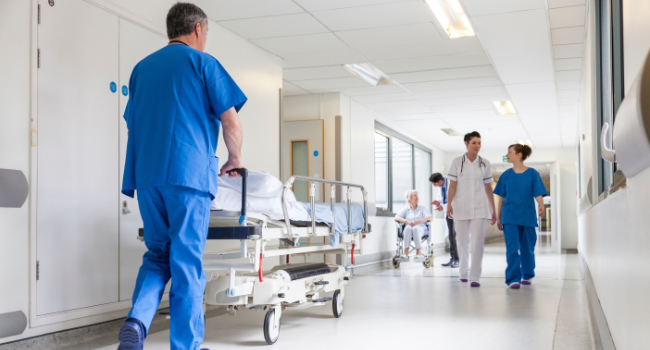
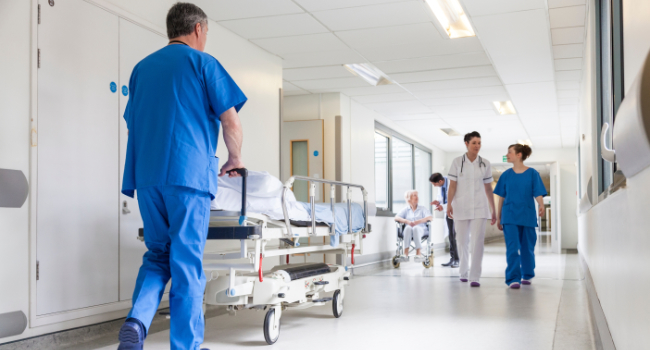
Healthcare facilities are often regarded as sanctuaries of care and healing, yet they are increasingly becoming hotspots for workplace violence. Nurses, physicians, technicians, and support staff face threats ranging from verbal abuse to physical assault with alarming frequency. According to the Occupational Safety and Health Administration (OSHA), healthcare workers are four times more likely to suffer workplace violence injuries than workers in private industry overall. This grim reality not only jeopardizes staff safety but can also disrupt patient care, erode morale, and increase turnover — a cascading risk for an industry already grappling with labor shortages.
As the challenges of workplace safety evolve, so too must the solutions. A promising frontier in this fight is the deployment of AI-enhanced risk mitigation and threat detection technologies designed to act as vigilant digital sentinels — scanning, interpreting, and alerting staff to threats in real time, often before an incident escalates. This approach reframes workplace violence prevention from reactive response to proactive risk mitigation, fundamentally shifting how healthcare organizations safeguard both people and operations.
The Growing Crisis of Violence in Healthcare
Workplace assaults in healthcare settings have steadily increased over the past decade. Emergency departments, psychiatric units, and long-term care facilities are particularly vulnerable. Incidents can stem from patients in crisis, stressed family members, or even visitors whose grievances spiral out of control. Meanwhile, the 24/7 nature of healthcare services, high patient volumes, and emotionally charged environments create fertile ground for conflict.
Traditional security measures like guards, badge access, and panic buttons play an important role, but have inherent limitations. Security personnel cannot monitor every hallway, waiting area, or parking lot simultaneously. Cameras may record events, but without real-time threat recognition, video footage often serves more as forensic evidence than a prevention tool.
Healthcare leaders now recognize that to truly reduce violence, facilities need more than passive surveillance—they need intelligent, automated threat detection that can watch tirelessly and respond instantaneously.
The Rise of AI-Enhanced Threat Detection and Risk Mitigation
This next-generation approach turns a traditionally reactive or archiving system of security cameras into a proactive, accurate detection system without adding additional security headcount. The system analyzes live video feeds continuously, recognizing patterns and behaviors that indicate potential threats. Unlike traditional surveillance systems, which simply record, AI-enhanced systems interpret what they see. The AI technology analyzes patterns and anomalies in the camera feeds without storing or using personally identifiable information (PII) or facial recognition, making them particularly well-suited for healthcare facilities given HIPAA compliance and other privacy regulations.
This article originally appeared in the September / October 2025 issue of Campus Security Today.
link