Natural Remedies to Support Lyme Disease Recovery
:max_bytes(150000):strip_icc()/GettyImages-1494845366-bb74733a5cca4850b9f52001ceafc180.jpg "Natural Remedies to Support Lyme Disease Recovery")
Key Takeaways
- Essential oils like cinnamon bark, clove bud, and oregano might help fight Lyme bacteria, but more research is needed in humans.
- Some herbs, such as black walnut and cat’s claw, show promise against Lyme disease in lab studies, but more research is needed on their effects in people. Always talk to your healthcare provider before trying natural or herbal remedies for Lyme disease.
Natural remedies for Lyme disease, such as essential oils and herbs, can be used as complementary treatments, but their effectiveness in humans remains unproven. Antibiotics are currently the only confirmed treatment for this tick-borne bacterial infection, so consult a healthcare provider before adding or combining these therapies.
Oleksandra Yagello / Getty Images
Key Facts About Lyme Disease
Lyme disease is the most common vector-borne disease (infection transmitted to humans by blood-feeding insects, in this case, black-legged ticks) in the United States. It’s estimated that approximately 476,000 people were diagnosed with Lyme disease yearly from 2010-2018.
Cases are diagnosed based on symptoms, a physical examination, and by tracking your history of possible tick exposure.
Lyme disease is a bacterial infection caused by the bacterium Borrelia burgdorferi. It is spread through the bite of infected ticks. In most cases, a tick must be attached for at least 36 to 48 hours before Lyme disease is transmitted. It’s common not to know you were bitten, but if a tick is removed within 24 hours, the chances of getting Lyme disease are greatly reduced.
What Are the Telltale Signs of Lyme Disease?
The signs and symptoms of Lyme disease usually start within three to 30 days after an infected tick bite. Many people experience flu-like symptoms early on, while more serious symptoms may appear later if the disease has not been treated early enough or is left untreated.
Early signs and symptoms of Lyme disease include:
- Chills
- Fatigue
- Fever
- Headache
- Joint and muscle aches
- Rash (shaped like a bullseye)
- Swollen lymph nodes
If left untreated, symptoms can worsen to include Bell’s palsy (facial paralysis), severe headaches, muscle, joint, and tendon pain, cardiac (heart) problems, and neurological disorders.
Most cases of Lyme disease can be managed and treated with two to three weeks of antibiotics. Depending on the severity of your symptoms and how long after the bite you were diagnosed, you may need a longer course of antibiotics to clear up the infection.
Can your body naturally fight off Lyme disease?
Many people never show symptoms of a Lyme infection and do not require treatment. Left untreated, most people with Lyme will heal without developing complications.
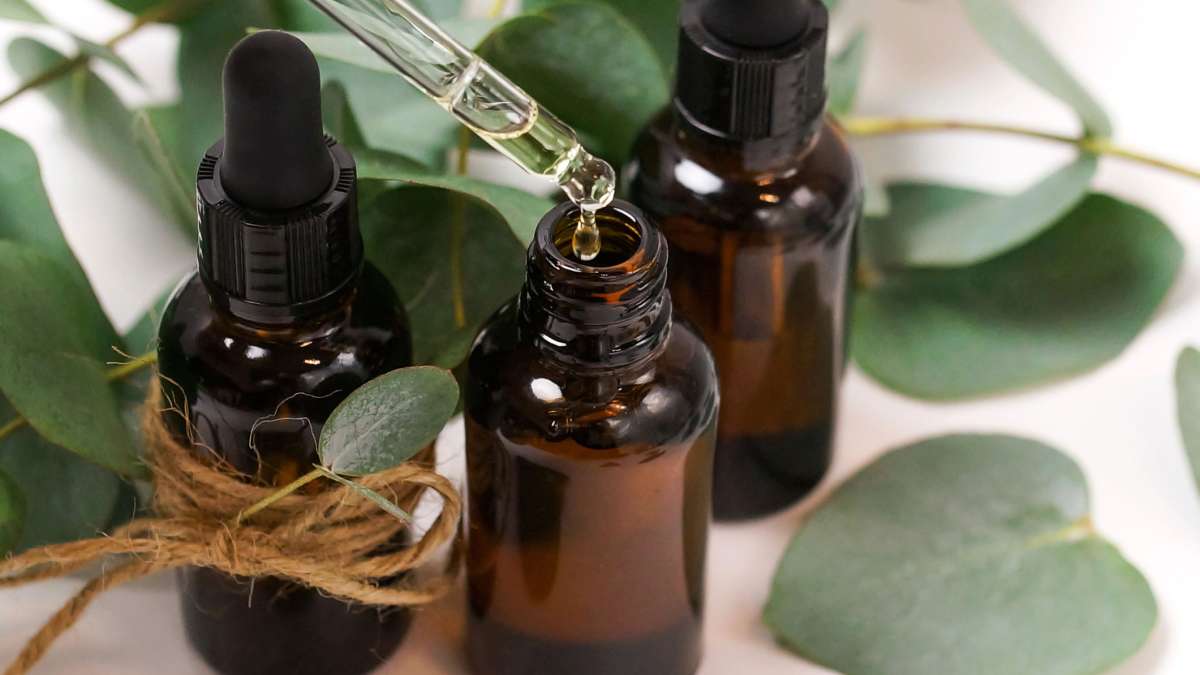
Essential Oils for Lyme Disease
It is believed that many essential oils have antimicrobial activities, and some people with long-term Lyme disease have turned to essential oils to help reduce their symptoms.
Researchers tested 34 essential oils against B. burgdorferi in the lab (not in humans) and found that essential oils like cinnamon bark, clove bud, citronella, wintergreen, and oregano have strong activity against the bacterium causing Lyme disease. They were even more effective than daptomycin, a leading antibiotic for long-term Lyme disease used with doxycycline and cefoperazone.
While these results indicate that essential oils show promise as additional treatment options for Lyme disease, clinical trials are needed to determine their effectiveness in humans.
When used correctly, most essential oils are safe. However, it’s essential to be cautious. They can irritate the skin if not diluted properly, and some should not be taken internally. Always perform a skin test on the underside of your arm to check for sensitivity.
Because essential oils are potent, use them in small amounts, typically a few drops. They can be diffused for aromatherapy, mixed with a carrier oil (like coconut) for skin application, or ingested (only under medical or herbalist supervision). Always follow product usage and dilution instructions closely.
Make sure to purchase high-quality essential oils that go through testing to ensure that each product is safe to use. Talk with your healthcare provider before using essential oils to avoid drug interactions with any other medications you are taking.
How Can Naturopathic Treatment Help?
Naturopathic treatments for Lyme disease use a whole-body approach. A practitioner assesses your diet, lifestyle, immune status, environment, and medical conditions to create a treatment plan. This plan may include nutritional and lifestyle counseling, homeopathic remedies, herbs, and dietary supplements tailored to your symptoms and needs.
Many people opt for naturopathic treatment as a complementary therapy, pairing it with prescribed antibiotics. Licensed practitioners who can prescribe medications may combine antibiotics with natural approaches.
The goal is to support your immune system, promote detoxification, and help your body heal. However, research on the effectiveness of naturopathic treatments for Lyme disease is limited.
Herbs for Lyme Disease Treatment
Herbs have been used as a medicinal treatment for thousands of years. Many people turn to herbal remedies to help provide relief from Lyme disease when antibiotics don’t eliminate all their symptoms.
One research study found that a combination of doxycycline (an antibiotic) and baicalein (the active ingredient found in Chinese skullcap) provides additional healing benefits. More encouraging, a 2020 laboratory study found seven herbal medicines to have anti-B. burgdorferi (Lyme bacteria) activity compared to doxycycline and cefuroxime (antibiotic):
The antibacterial properties of these herbs show promise, but further studies are needed to establish their effectiveness against Lyme disease in humans.
Is Chelation Therapy Effective?
Chelation therapy is a method that involves removing heavy metals from the bloodstream. Some people believe that Lyme disease symptoms are linked to heavy metal toxicity in the body caused by environmental factors (e.g., pollution, lead exposure) and turn to chelation therapy to treat Lyme disease.
A chelating agent is a molecule that binds to heavy metals, helping eliminate them through the kidneys. Chelation therapy can be given orally or intravenously with saline and a chelating agent like ethylenediaminetetraacetic acid (EDTA).
Chelation therapy is approved by the Food and Drug Administration when administered by a licensed practitioner. It is used to treat lead poisoning. Some alternative practitioners use it for additional applications, including atherosclerosis and arthritis.
There is currently no evidence to suggest that Lyme disease is caused by or worsened by heavy metal exposure, and chelation therapy is not a proven treatment for Lyme disease.
Other Options Beyond Antibiotics
Various natural options are offered for treating Lyme disease. A 2015 study identified alternative treatments, such as:
- Acupuncture
- Bee venom
- Energy and radiation-based therapies
- Enemas
- Magnets
- Nutritional therapy
- Photon therapy
- Sauna
- Stem cell transplantation
There is currently no research to prove the efficacy of these unconventional treatments, and, in some cases, the treatments may be more harmful than helpful.
Garlic essential oil, on the other hand, has been shown to eliminate the bacterium that causes Lyme disease. In addition to garlic’s antibacterial effects, it may help prevent tick bites. One study determined that people who took garlic supplements reported fewer tick bites than the placebo group.
Garlic can interact with certain medications, so speak with your healthcare provider before using it to prevent or treat Lyme disease.
Stevia—a natural sweetener and sugar substitute derived from the leaves of the Stevia rebaudiana plant—may be effective in treating Lyme disease. A study published in the European Journal of Microbiology and Immunology discovered that stevia extracts are more effective in killing Lyme disease bacterium in the lab (not tested in humans)than the standard antibiotics, but this hasn’t been tested in humans.
A Word About Supplement Use
In the United States, the Food and Drug Administration (FDA) does not regulate dietary supplements the way it regulates prescription medications. As a result, some supplement products may not contain the ingredients listed on the label. When choosing a supplement, look for products independently tested or certified by organizations such as the National Sanitation Foundation (NSF), United States Pharmacopeia (USP), or ConsumerLab. For personalized guidance, consult your healthcare provider, registered dietitian nutritionist (RD or RDN), or pharmacist.
link